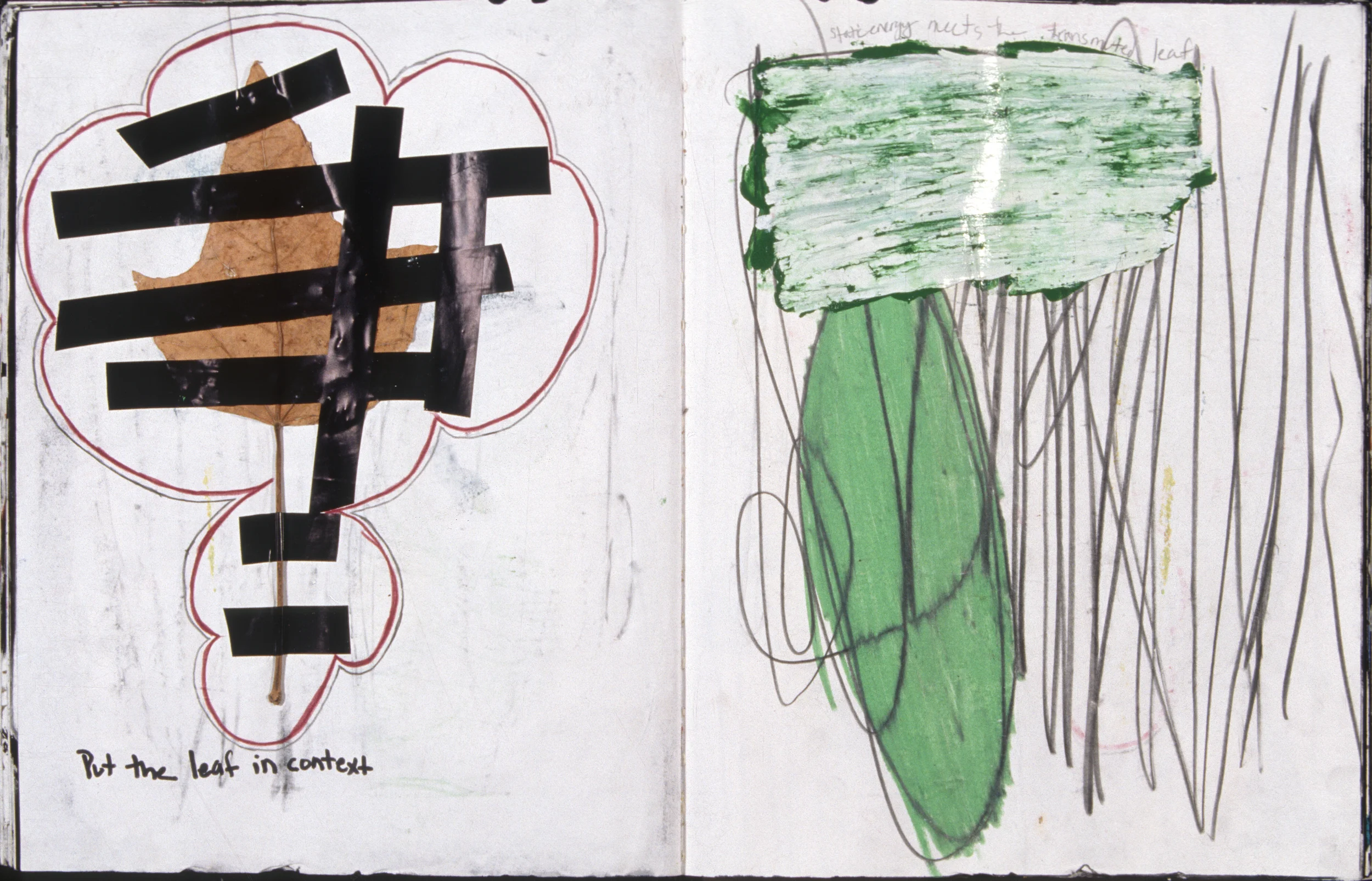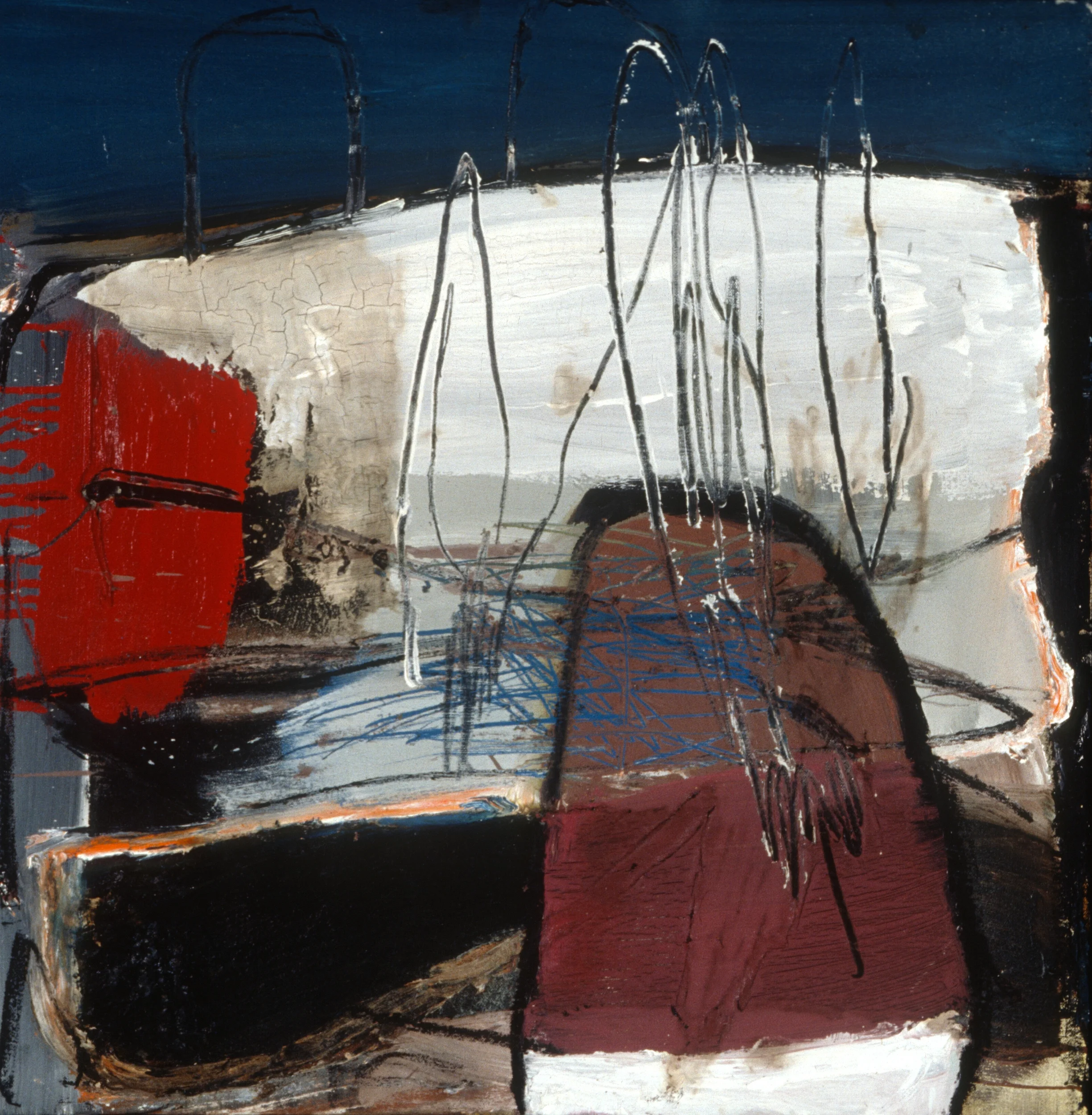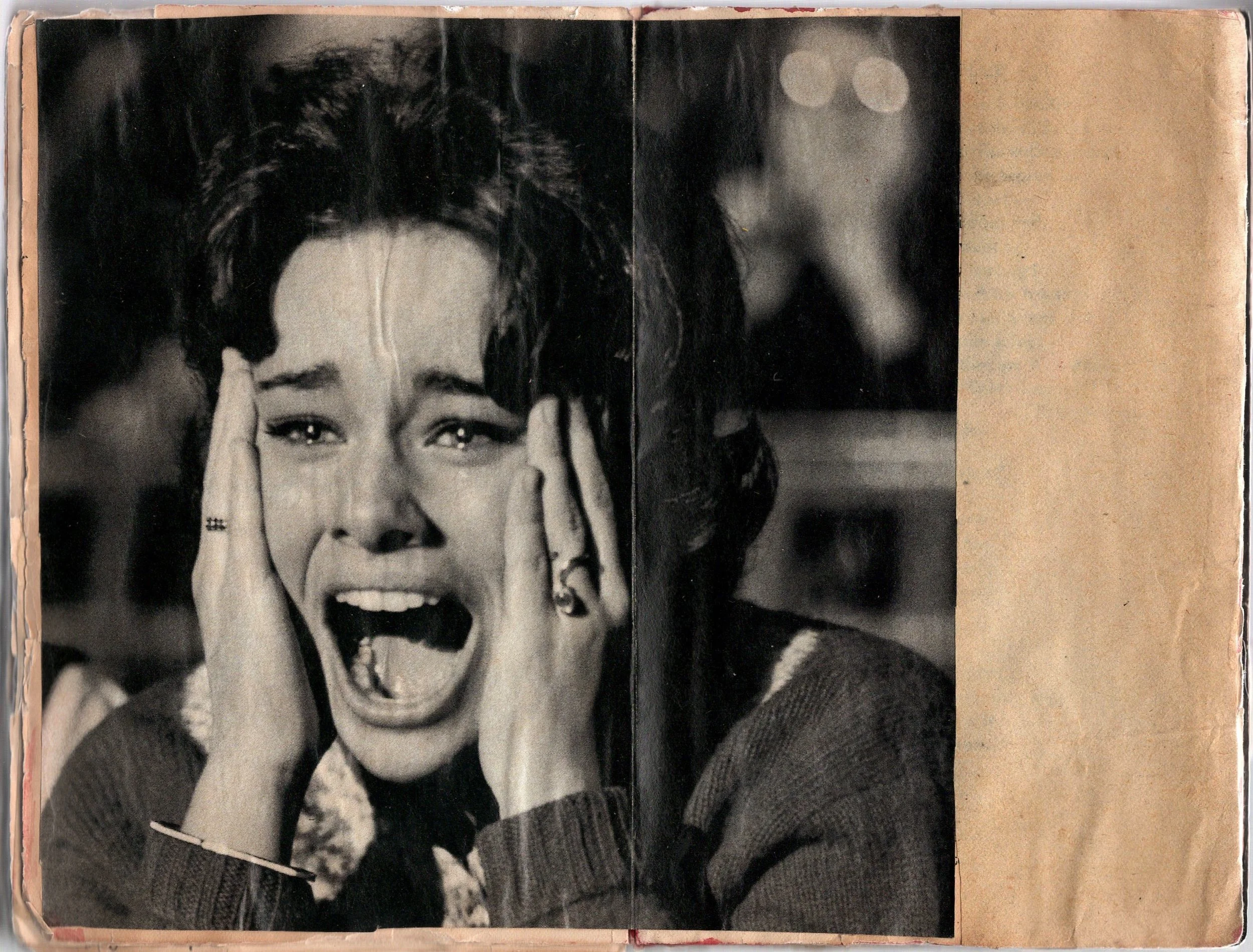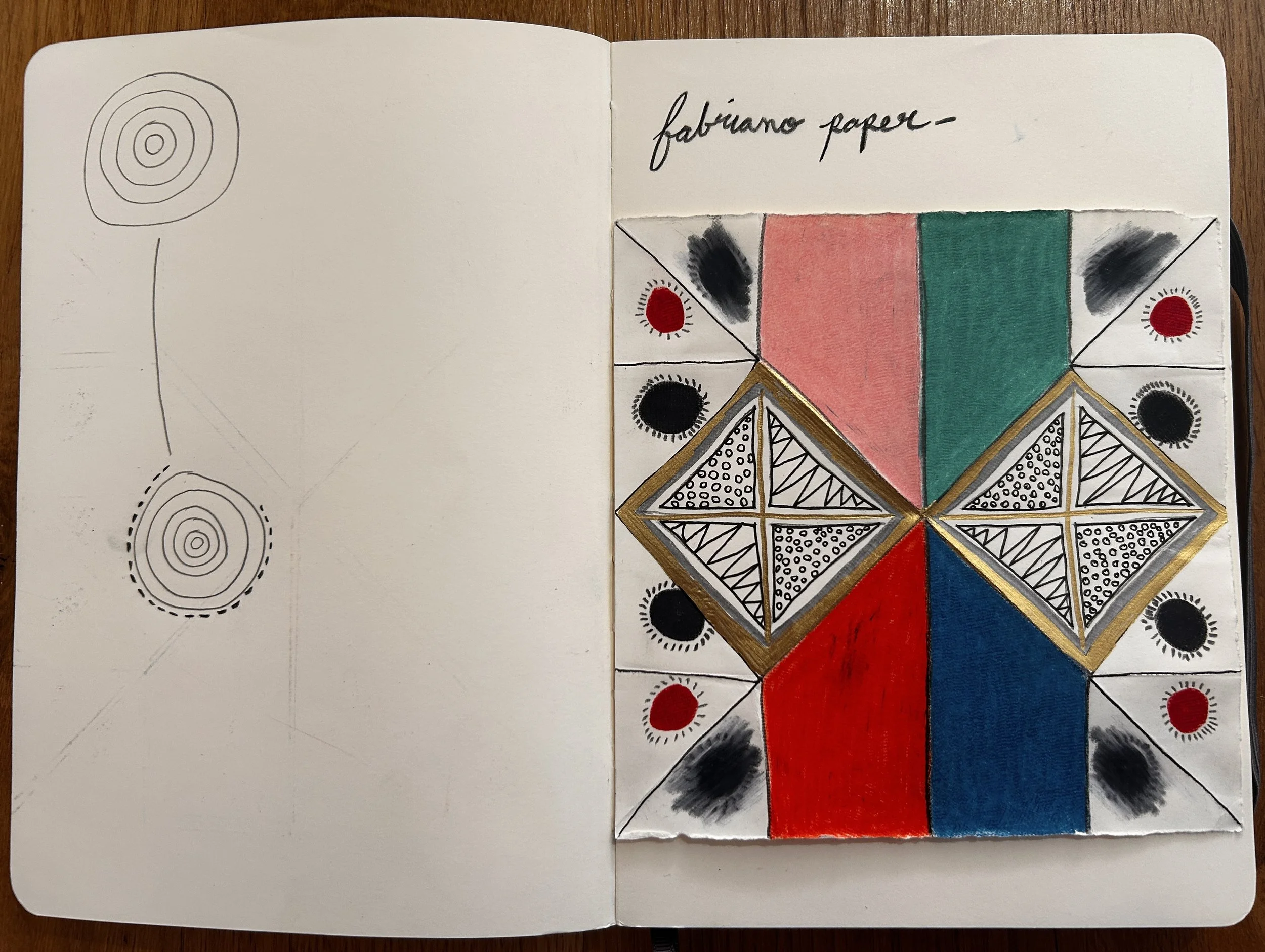
I’ve always known that art products have a psychological and metaphysical dimension meaning that they are native to the visible world (and can be seen by the viewer), but also (and especially), they are native to the life of the psyche, where images autonomously flex into a mode of consciousness with a singular atmosphere, internal relations, affective charge, and epistemology all their own.
As James Hillman and thinkers like him have continually insisted, the soul speaks in images and for the artist whose work follows the movements and vicissitudes of inner life, each work constitutes a particular psychic moment in which a transpersonal intelligence assumes form and enters the world with an activated ontology. Whatever its quality, the artist who brings forth such an image must also live for a time within the psychic condition it constellates, experiencing, like Lear, the emotional thunder of the transpersonal as it yawls itself into being.
This work is quest-like for while it promises certain rewards and ecstasies, it must also be endured and suffered, because the artist cannot stand outside the psychic reality she seeks to understand and mould. Objectivity in art is a fantasy of the ego. As any observant writer or artist will tell you, an image (whether visual or literary) ultimately has its own temperament, its own necessities, its own loves and aversions, its own hidden purposes; it can surprise its maker by continuing to reveal emerging characteristics of itself long after it was first created. To encounter an image seriously is therefore to grant it the same concentrated attention we would accord any living presence whose nature is not predetermined.