A Numinous Disco Odyssey: Archetypal and Creative Transformation on the Disco Dance Floor
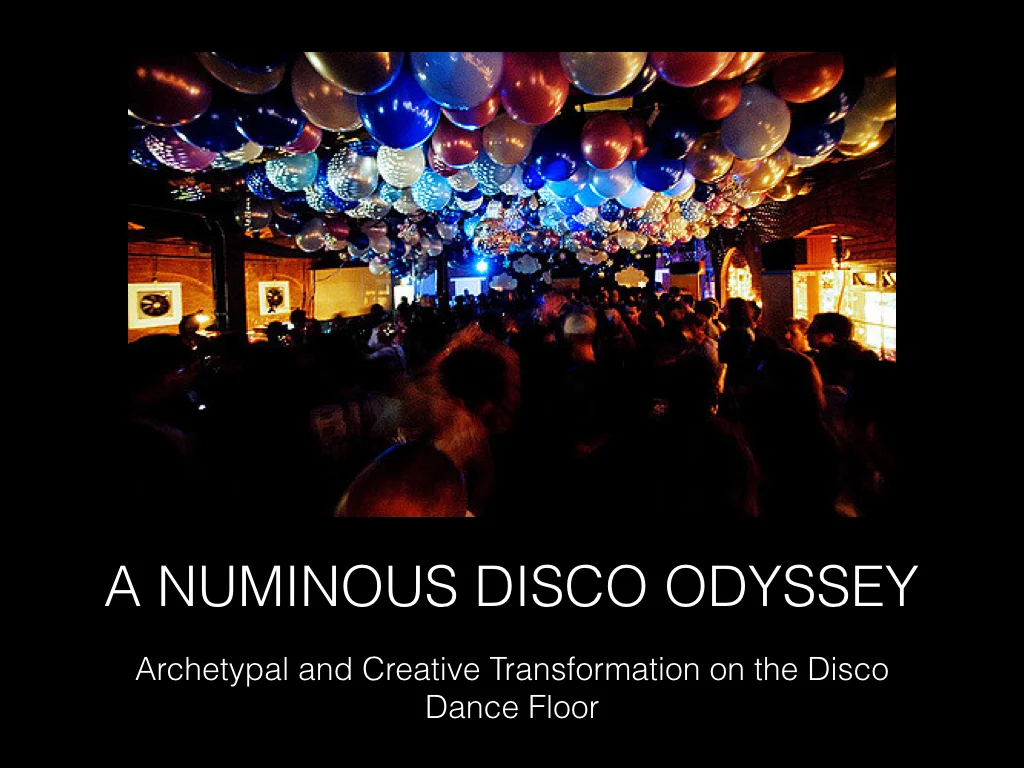
This paper was presented at the 15th annual conference of the Jungian Society for Scholarly Studies in Washington D.C. on June 23, 2017.
Hello and thank you for joining me as we take a brief but sparkly journey through the birth of American dance music culture as it awakened and called itself Disco. My name is Gelareh Khoie and I am a student at Pacifica Graduate Institute. I am a newcomer to depth psychology and this is my first time presenting at a conference. I’m going to talk today about the living underbelly of dance music culture, specifically disco, and how it connects to depth psychology.
I will give a short history of the birth of disco and its founder, David Mancuso, then I will discuss my thoughts on the archetypal nature of the disco dance floor. Lastly, I want to briefly talk about how useful these underground disco events can be in combating despair and spiritual and emotional fatigue in a time of great social distress. I am advocating for more underground dance parties as a form of social action and resistance. We cannot win any battles from a spiritually weakened state.
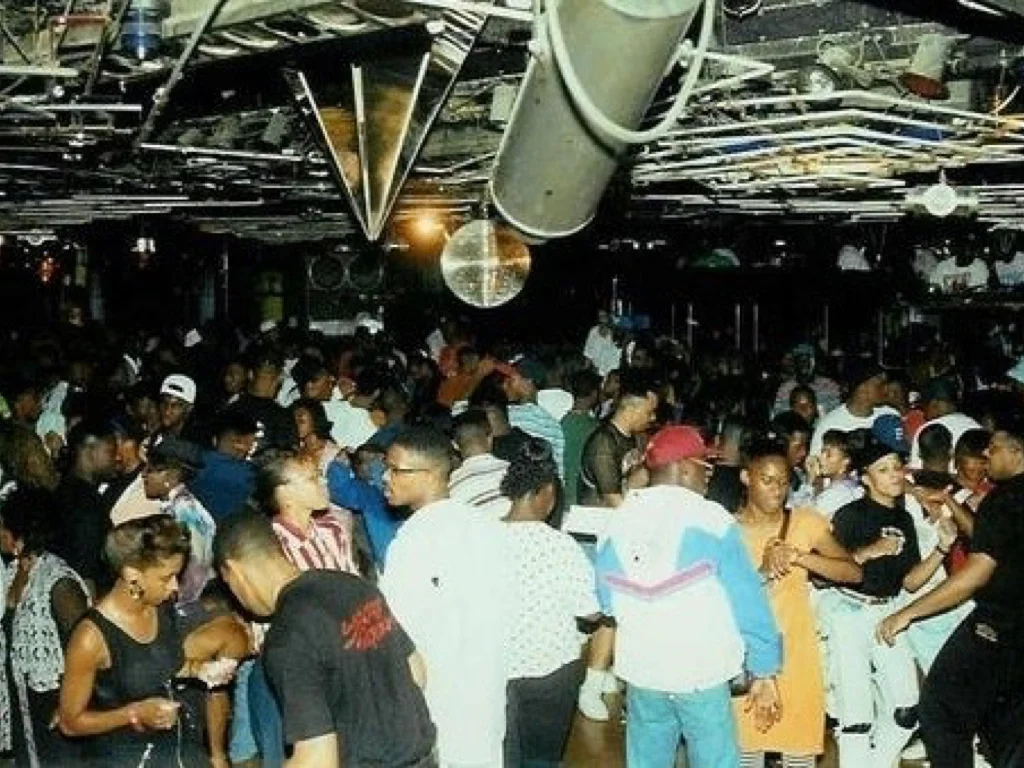
Very quickly I want to explain what I mean when I say Disco. Almost everyone will see this in their mind’s eye when they hear the word Disco:
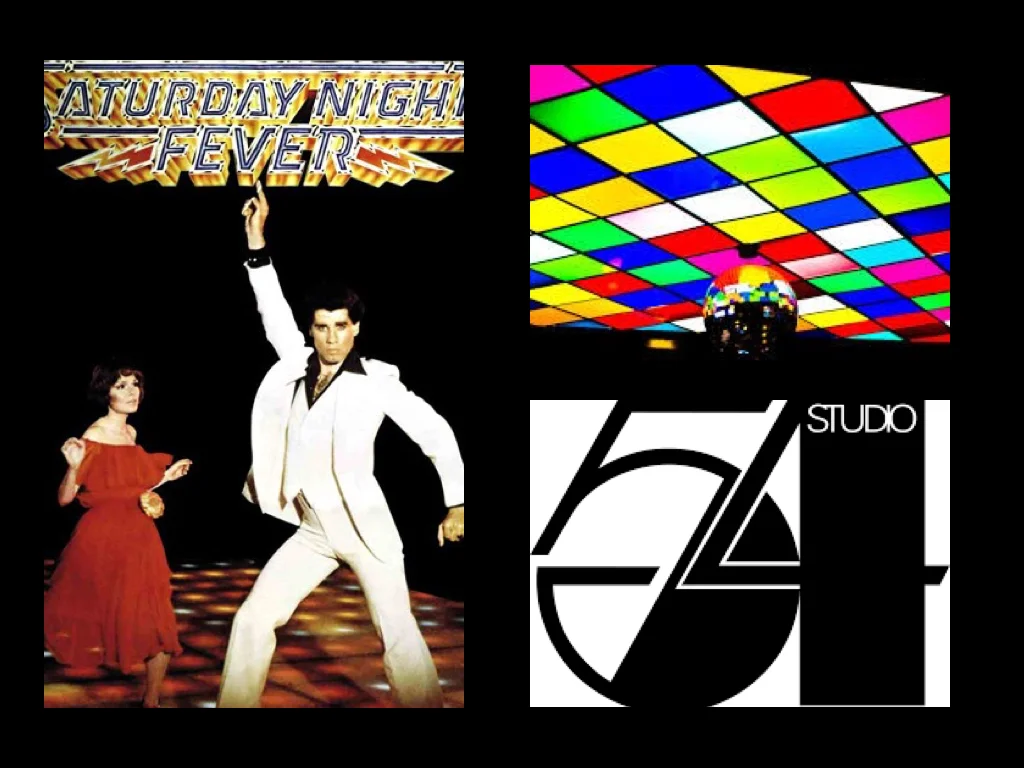
These images are certainly one part of the concept but they can also be misleading because they tell only the pop-culture side of the story. The truth is that Disco is a state of mind, not a musical genre. It’s a bit like Zen in that it’s not exactly a religion yet it is definitely a method for reaching an understanding of soulful profundities. In authentic underground disco dance parties
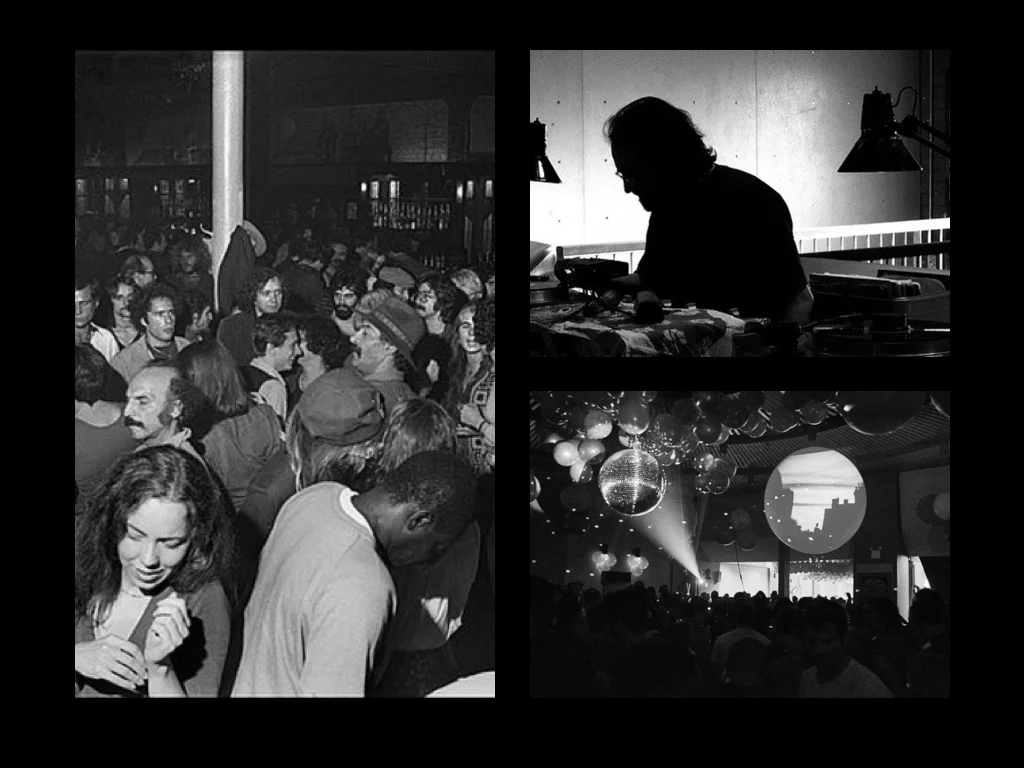
the wildly eclectic music becomes a literal stairway to heaven leading to a place where Crosby, Stills & Nash dance with the Bee Gees. Deep disco is about engaging in a variegated and life-affirming psychic journey through music and dancing.
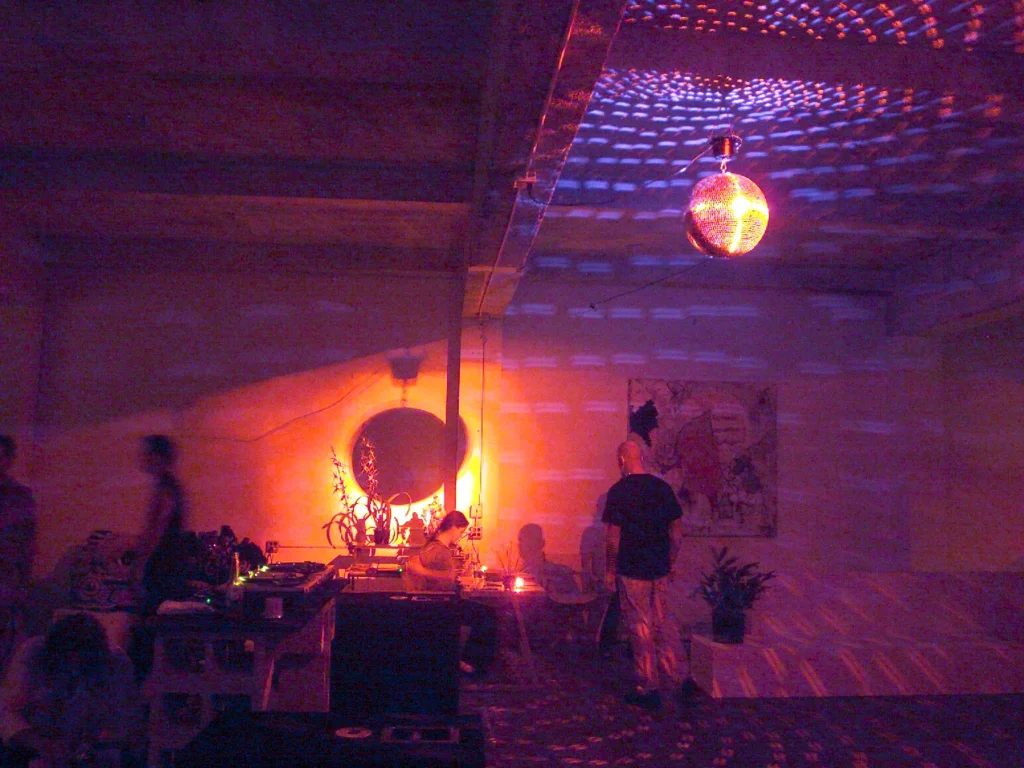
Before coming to Pacifica to study depth psychology, I lived in Honolulu where I founded, owned, and operated an art gallery and disco nightclub for ten years. It was called thirtyninehotel and located in Honolulu’s historic chinatown district. It was a beautiful multi-media space dedicated to uplifting and uniting the segregated art and music communities. I organized countless dance parties during the ten years I operated thirtyninenotel. But it wasn’t until I started studying the work of C.G.Jung that I began to see the archetypal side of my love for the disco dance floor. Here are some images from my old space:
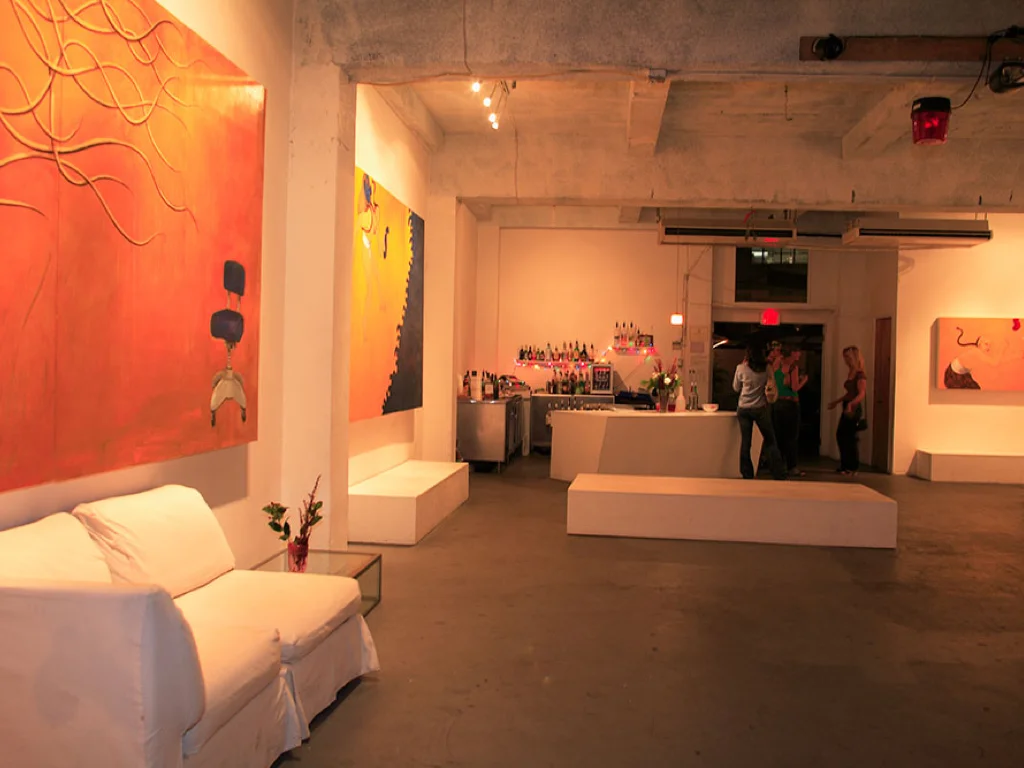
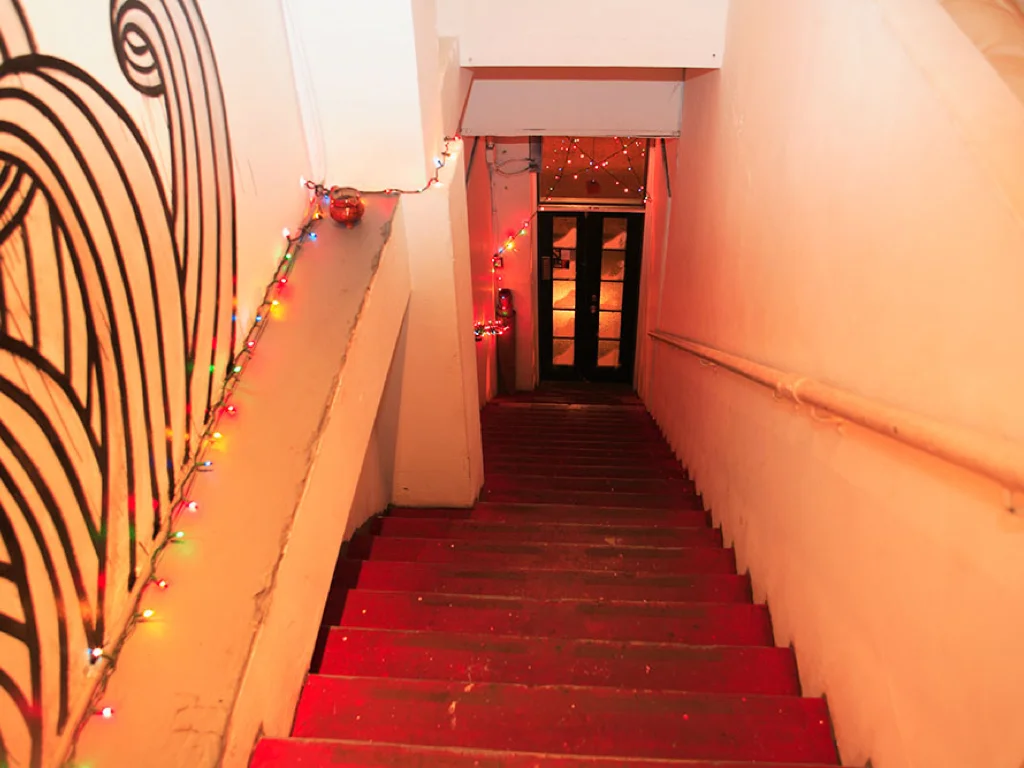
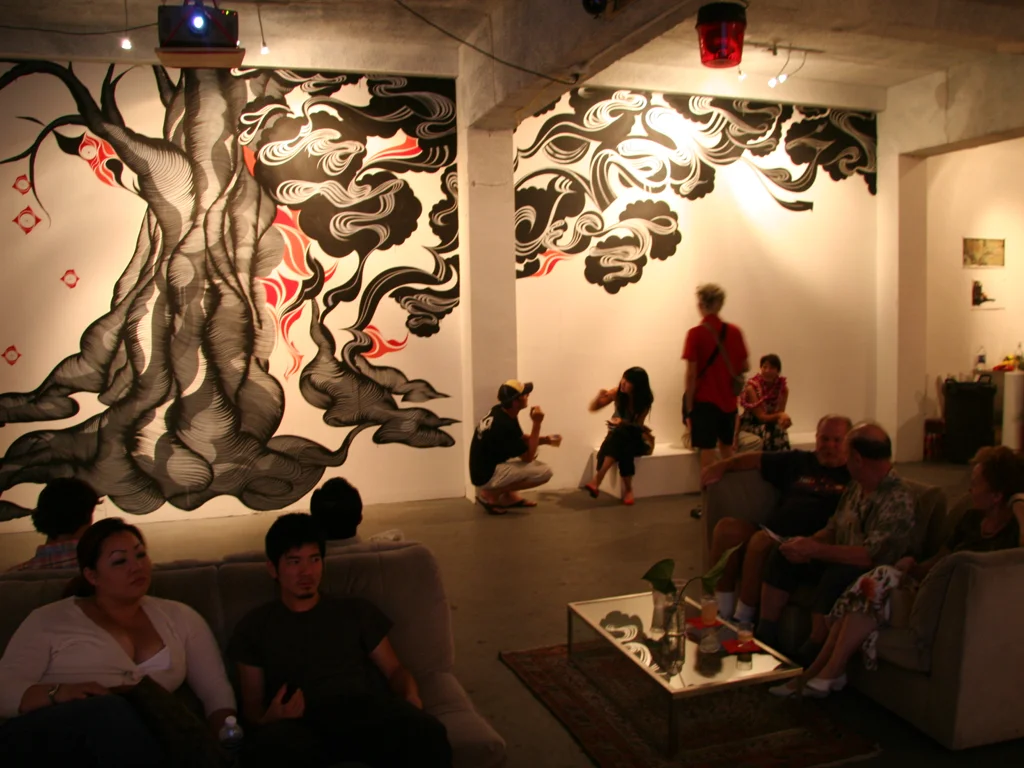
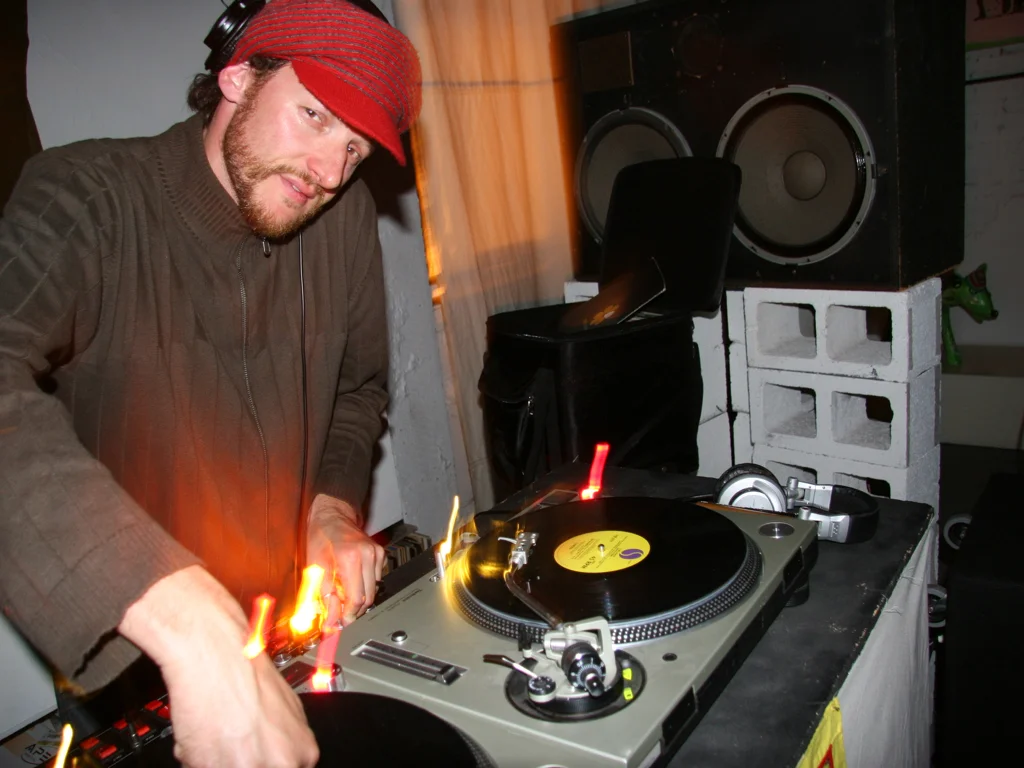
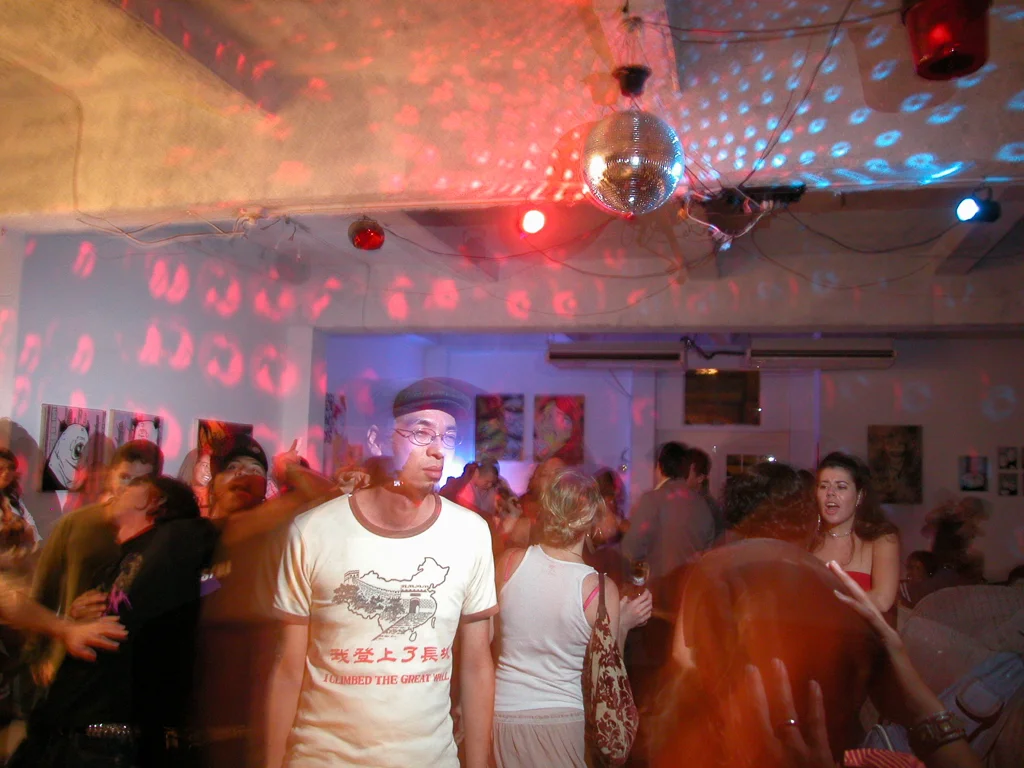
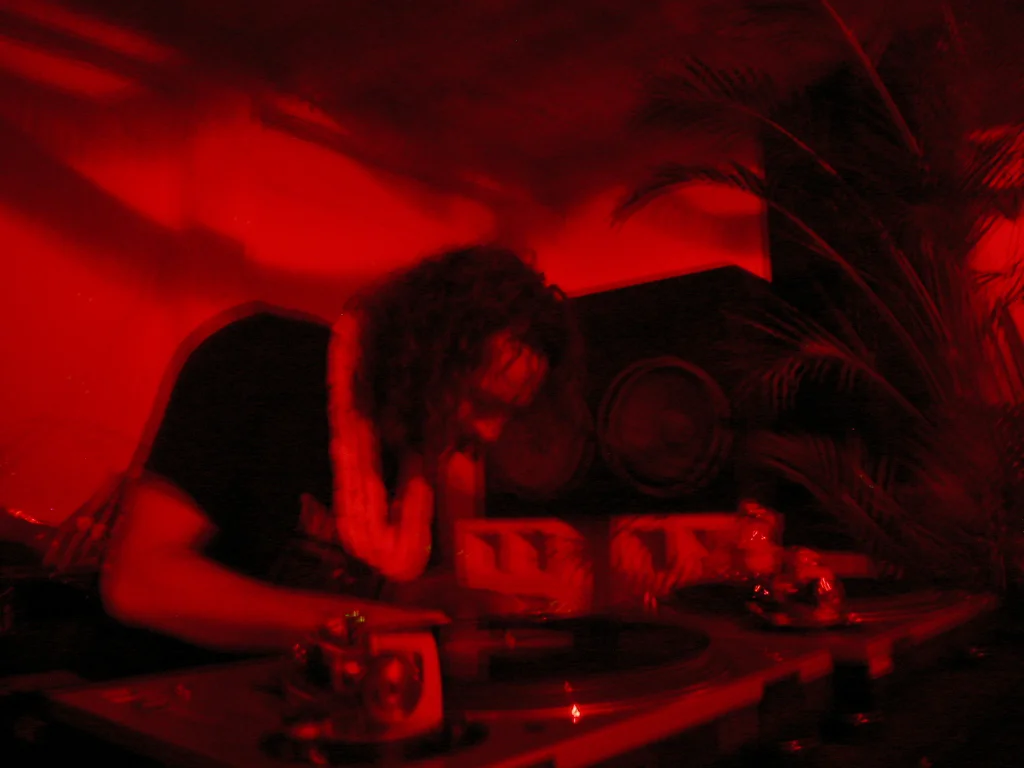
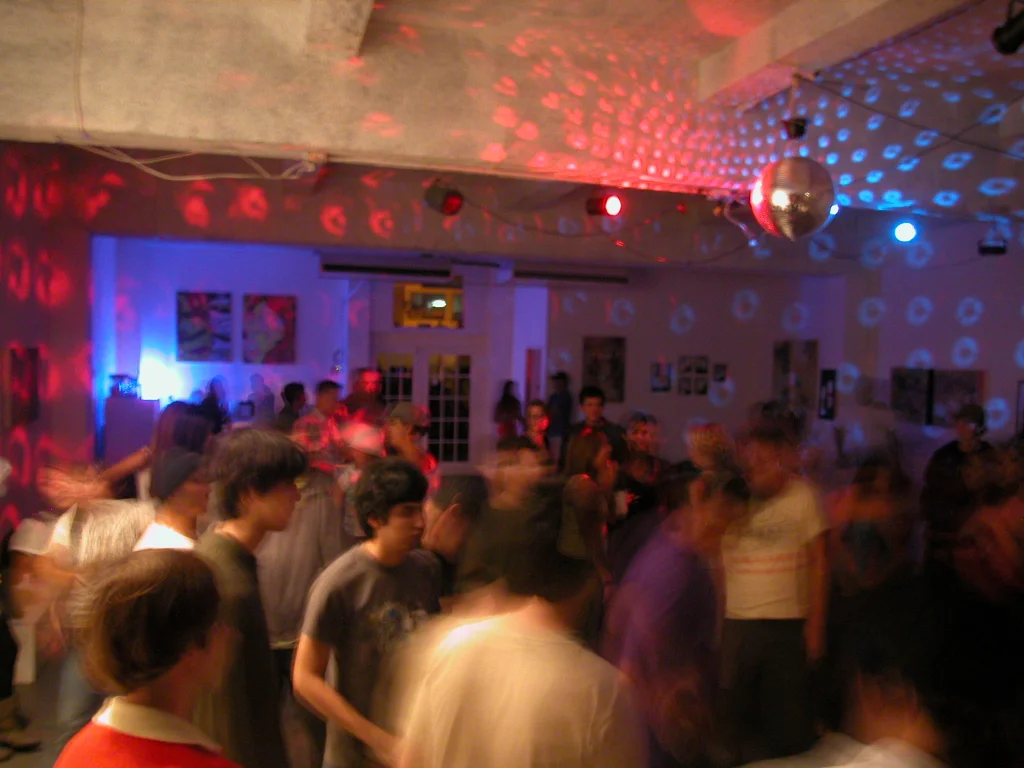
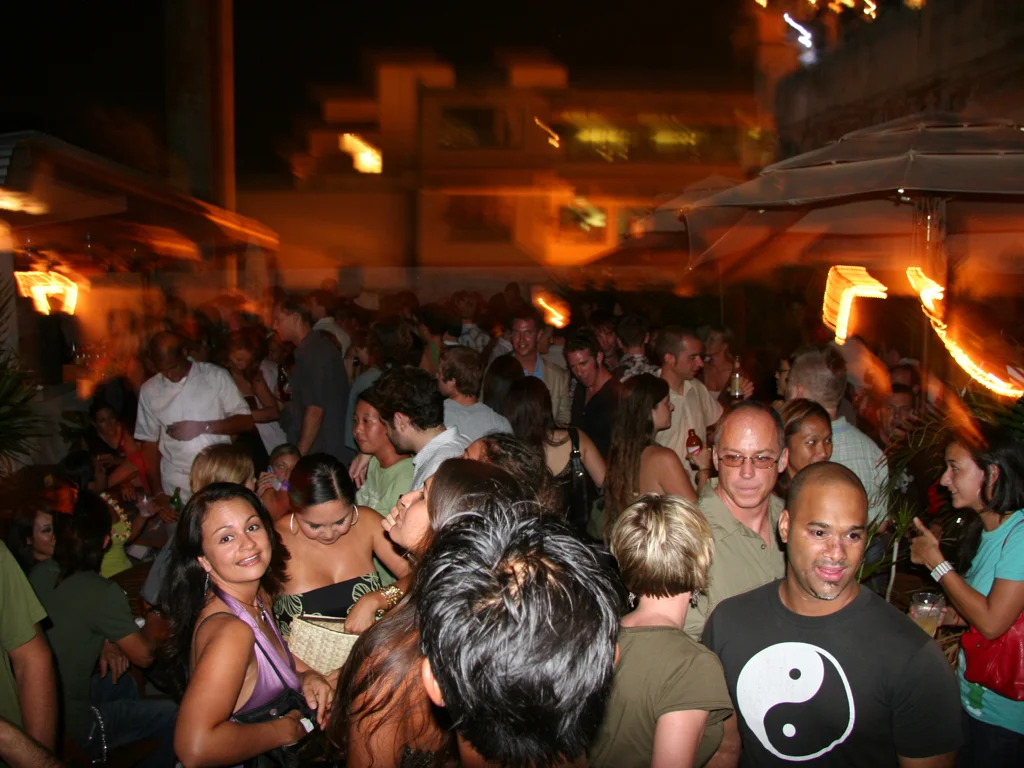
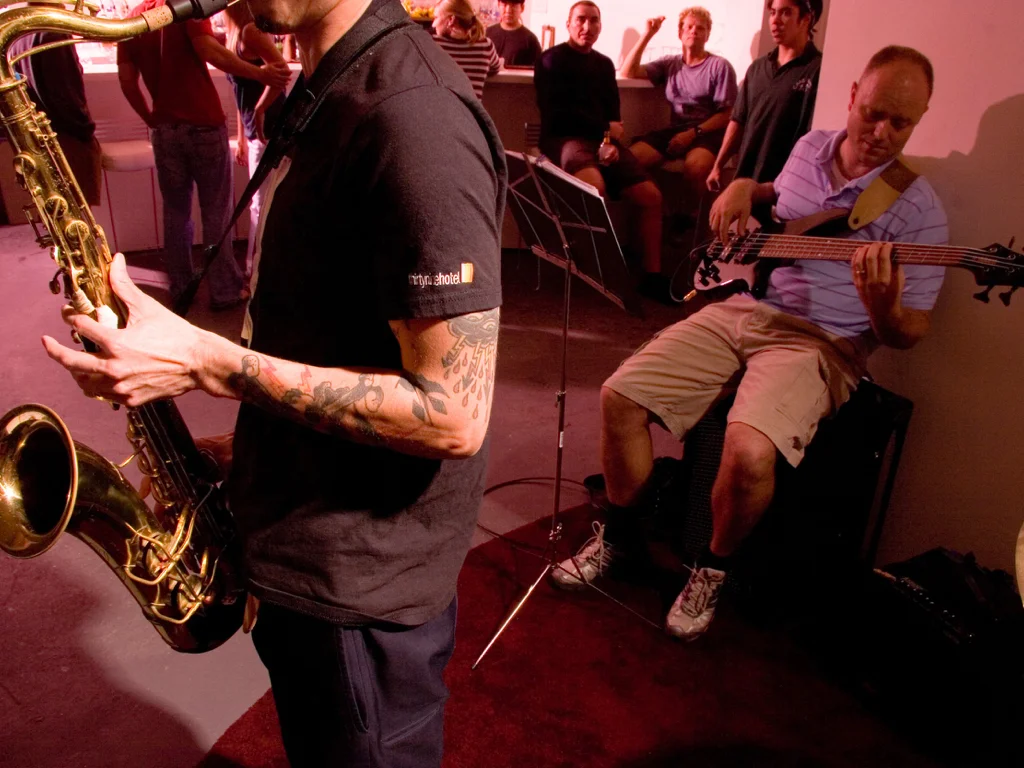
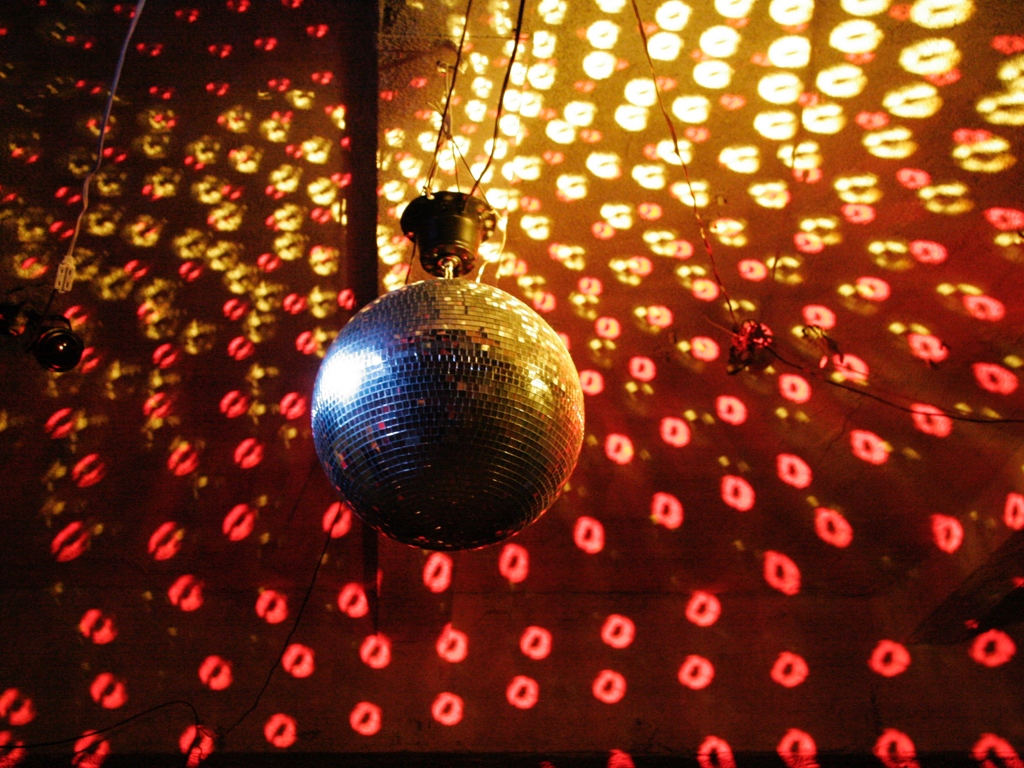
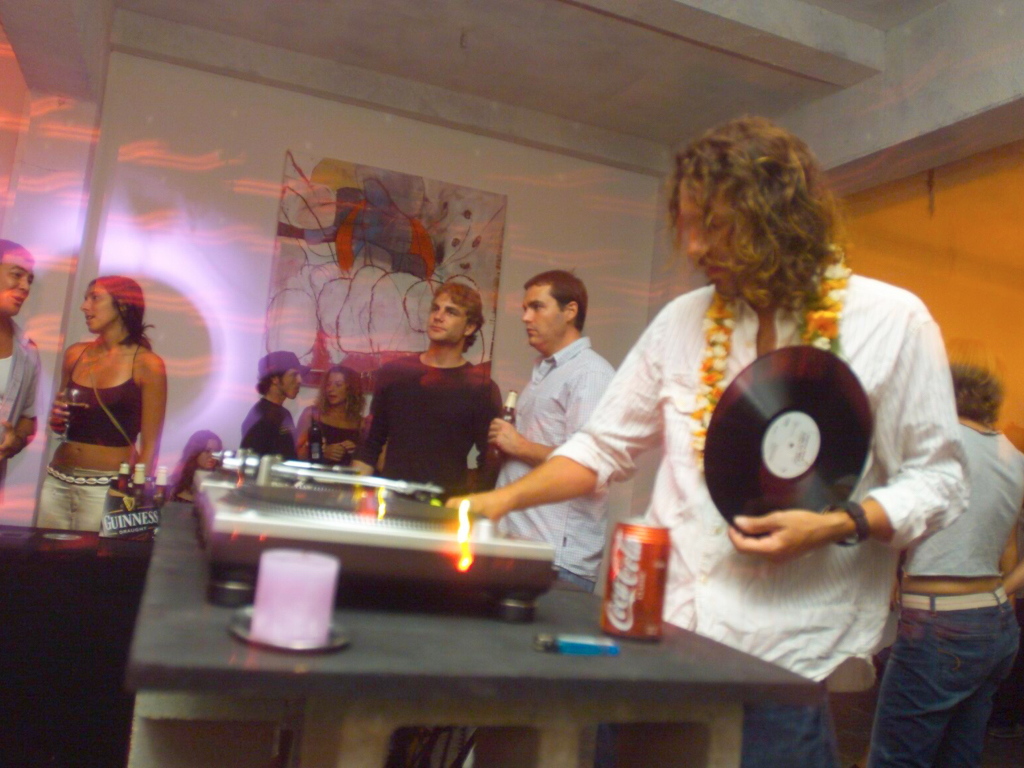
My interest in the topic of Disco was sparked in January of 2001 when I travelled to Los Angeles for an underground dance party thrown by a British DJ who eventually became my guide and mentor. This one night party lasted over eight hours and was held in a large and rectangular unused warehouse.
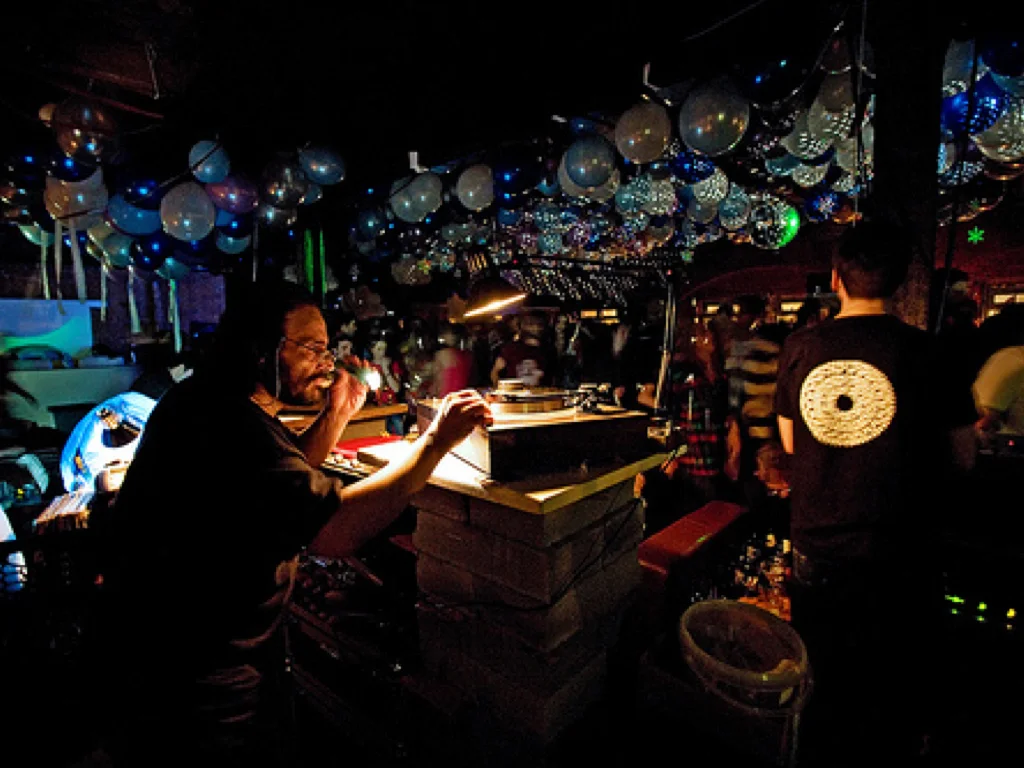
The DJ booth was stationed at one end of the room and an enormous and magnificent disco ball scattered millions of ethereal and starlike spots all over the walls. Hundreds of people were engaged in solitary dancing reveries,
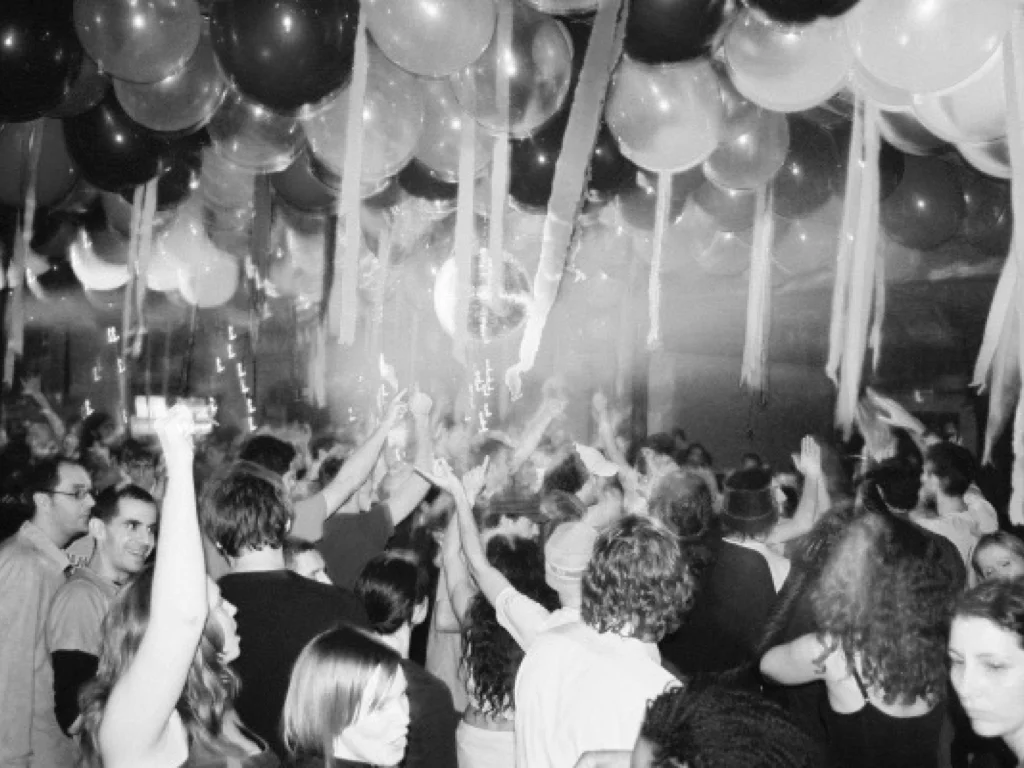
yet, all together, they also resembled one great undulating organism. My new DJ friend and future mentor wove a tapestry of music and sound that felt viscerally like being on a journey with many twists and turns, not all of them pleasing. The place had such an air of mystery, as though one had just descended into a alternate realm of consciousness.
The very next night I was taken to another underground dance party and I was struck by how similar the set up was.
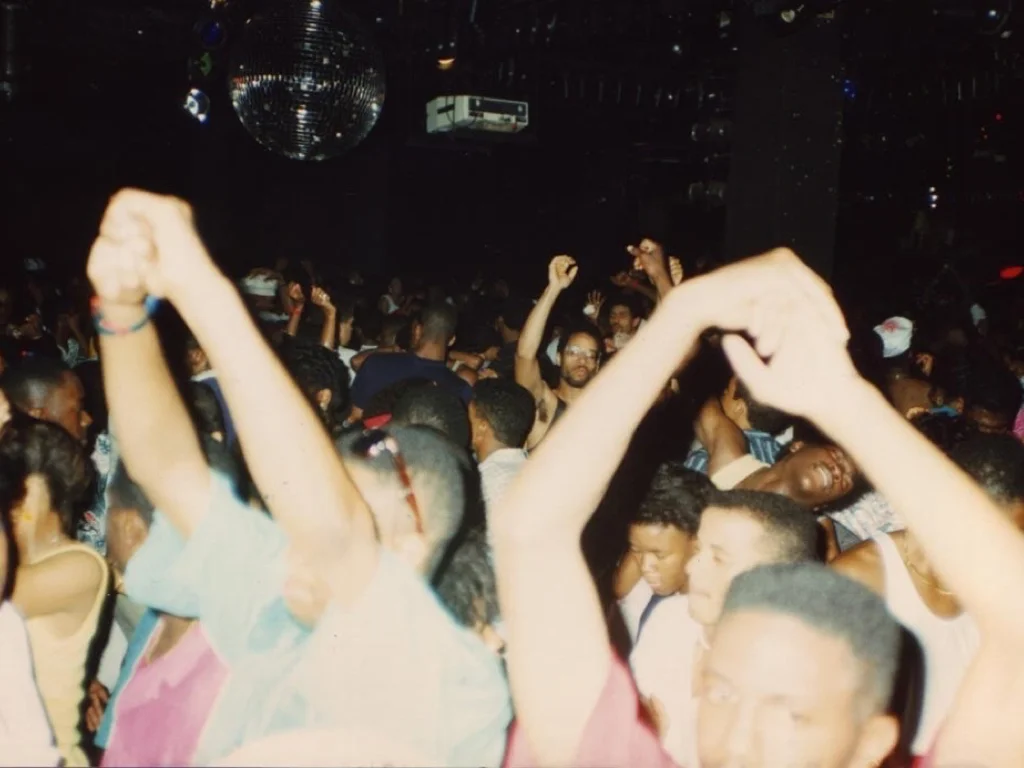
Again a large rectangular space, again a DJ booth on one end, and a large disco ball hanging from the center of the room. Hundreds of people dancing in personal reveries, a strong 4-4 beat, amazing sound quality--all these features combining to produce a trancelike effect on the dancers. I was very curious. “What on earth is going on here?” I wondered. What I saw looked very ritualistic, tribal, and religious. It seemed I had stumbled upon a long established tradition with a specific purpose and I became obsessed with finding out the meaning behind what I intuitively sensed were elusive mysteries unfolding beneath the mirror ball.
Disco was born on Valentine’s Day, 1970, when a mystical visionary named David Mancuso gave birth to it at a private party held in his loft space at 647 Broadway in New York City.
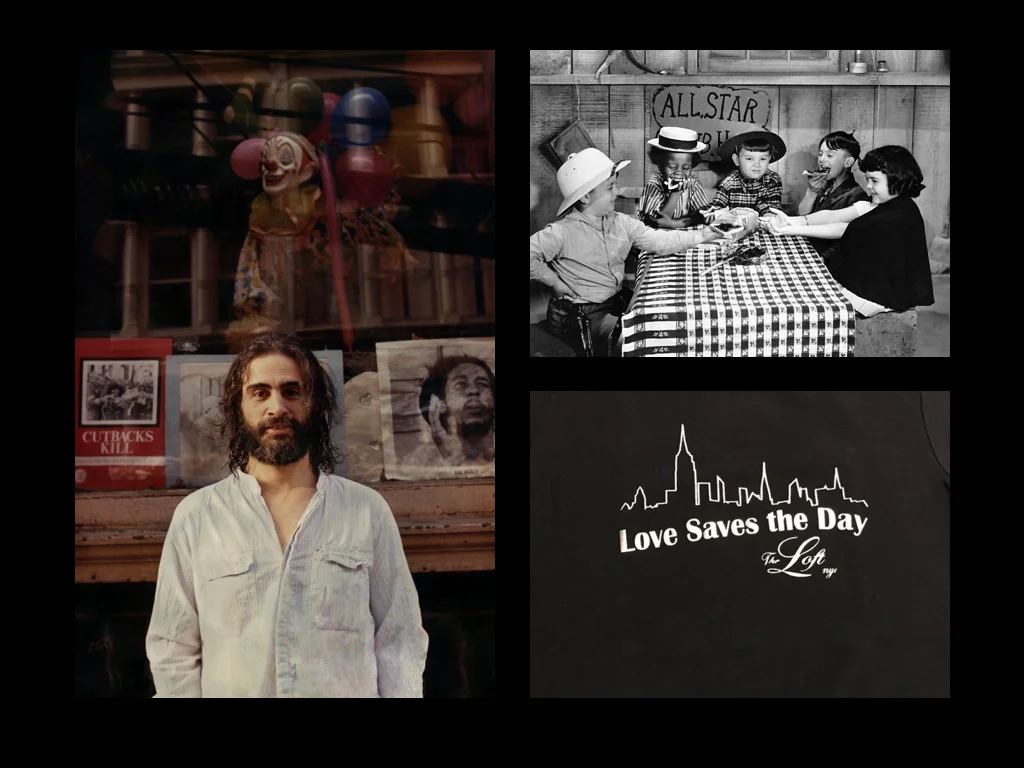
The invitation only party was called Love Saves the Day. This party eventually became a weekly event and the people who went there started calling it The Loft.
David Mancuso spent his earliest years in a Catholic orphanage in Utica, New York,
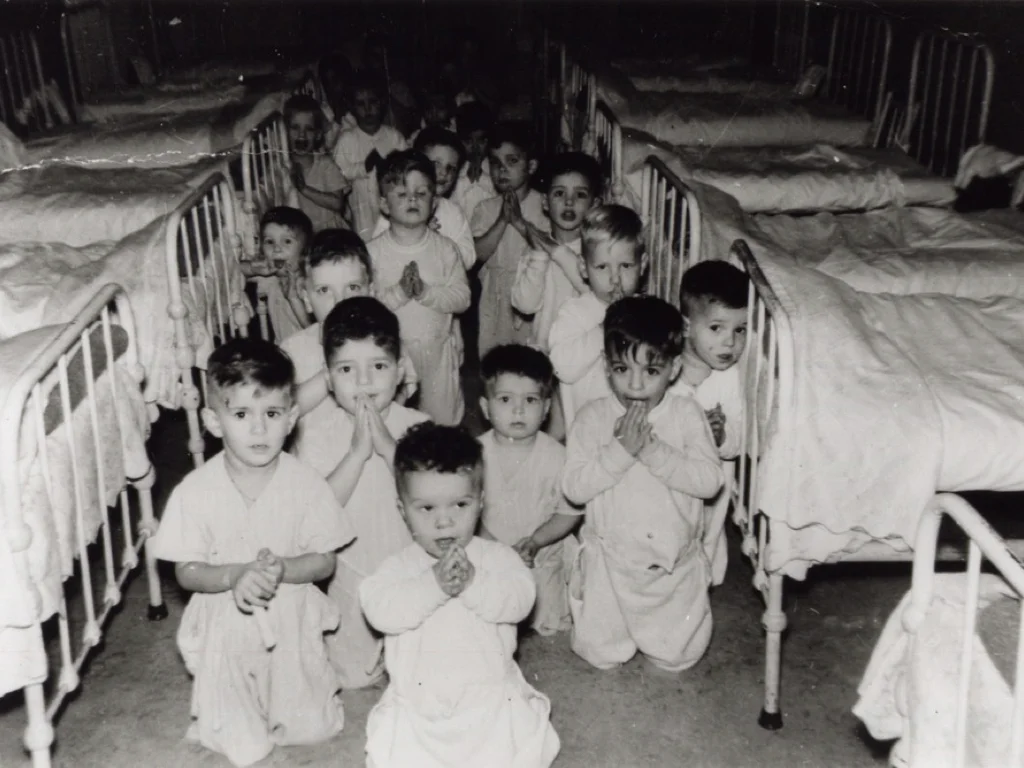
and there are two crucial factors of this experience which contributed to his later vision for the spiritually charged dance space: First, he experienced life at the orphanage together with his fellow orphans as a loving, communal group. His early childhood included this family of brothers and sisters, so family for David became large and variegated rather than small and nuclear; and second, in two words: Sister Alicia:
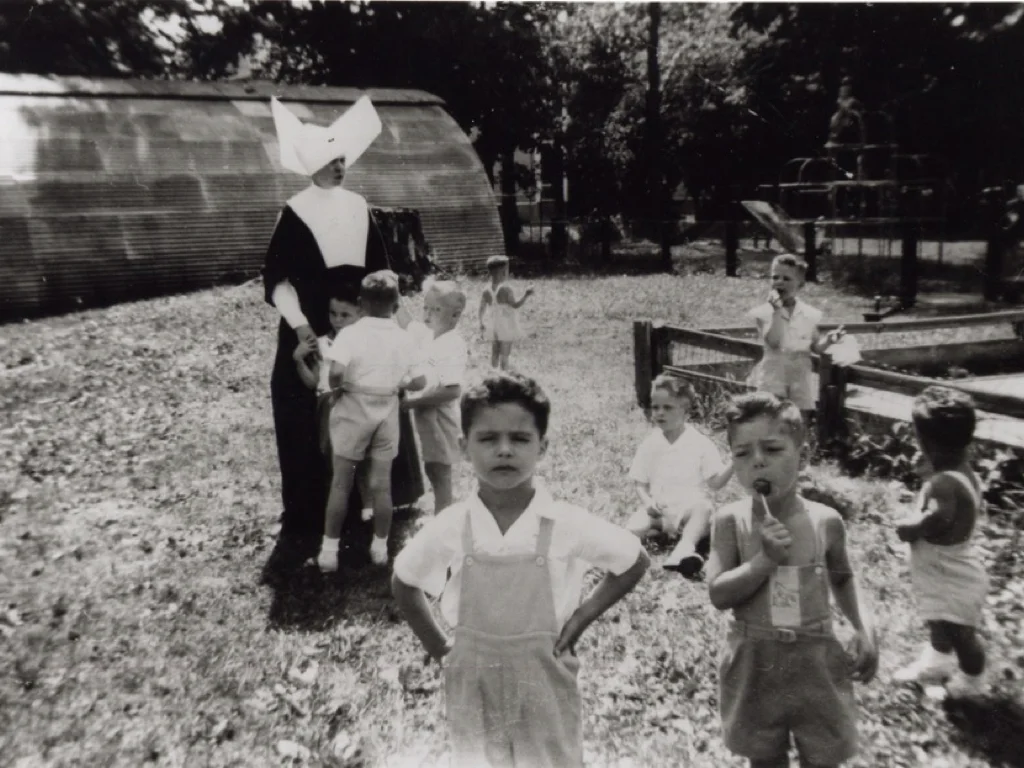
Sister Alicia worked at the orphanage and she was constantly holding parties for the little kids who lived there. She would decorate the room with balloons and she had a record player and a stack of 45’s and she would hold these parties and the children would dance. So for David’s psyche, home came to mean living and dancing together with a large group of beloved brothers and sisters.
These formative early experiences, together with the egalitarian attitudes ushered in by the closing decade of the 1960’s shaped David Mancuso’s vision for The Loft
as a place for social progress and spiritual advancement. A student of Timothy Leary and his League for Spiritual Discovery, Mancuso used the music, the dance floor, and a bit of help from the spiked LSD punch to advance a goal of authentic social and spiritual interaction. At The Loft,
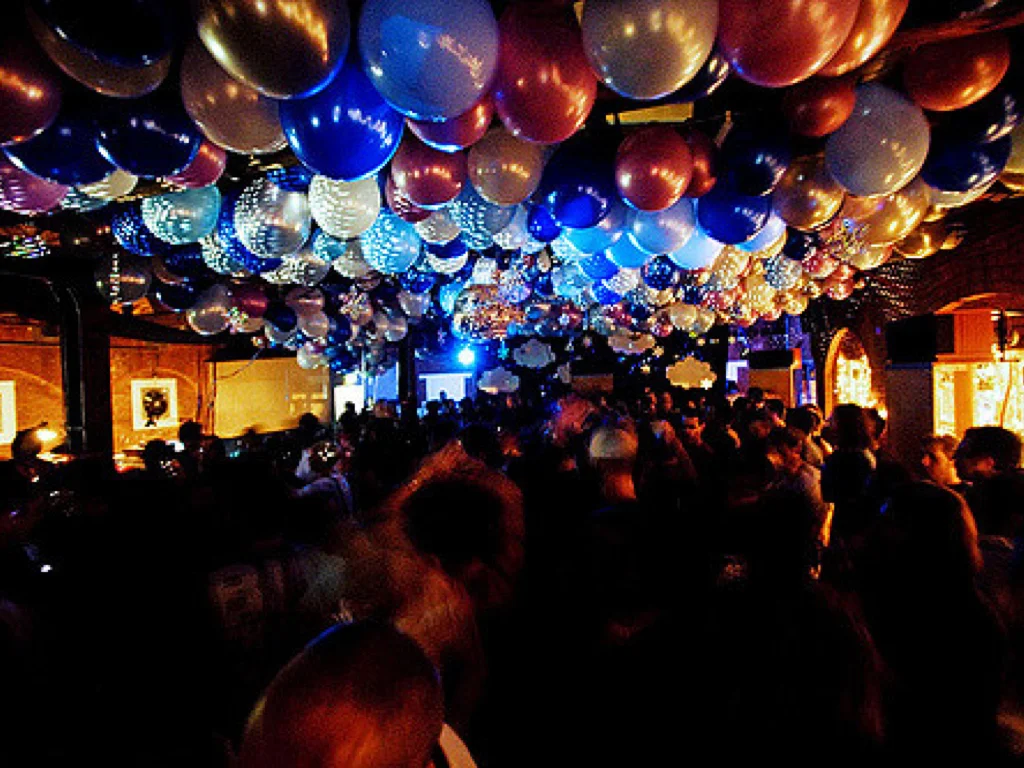
people from all social, economic, and sexual backgrounds were welcome. No where else in America was this phenomenon on display. Gay, straight, black, white, asian, hispanic, male, female, rich or poor, all guests enjoyed an open atmosphere
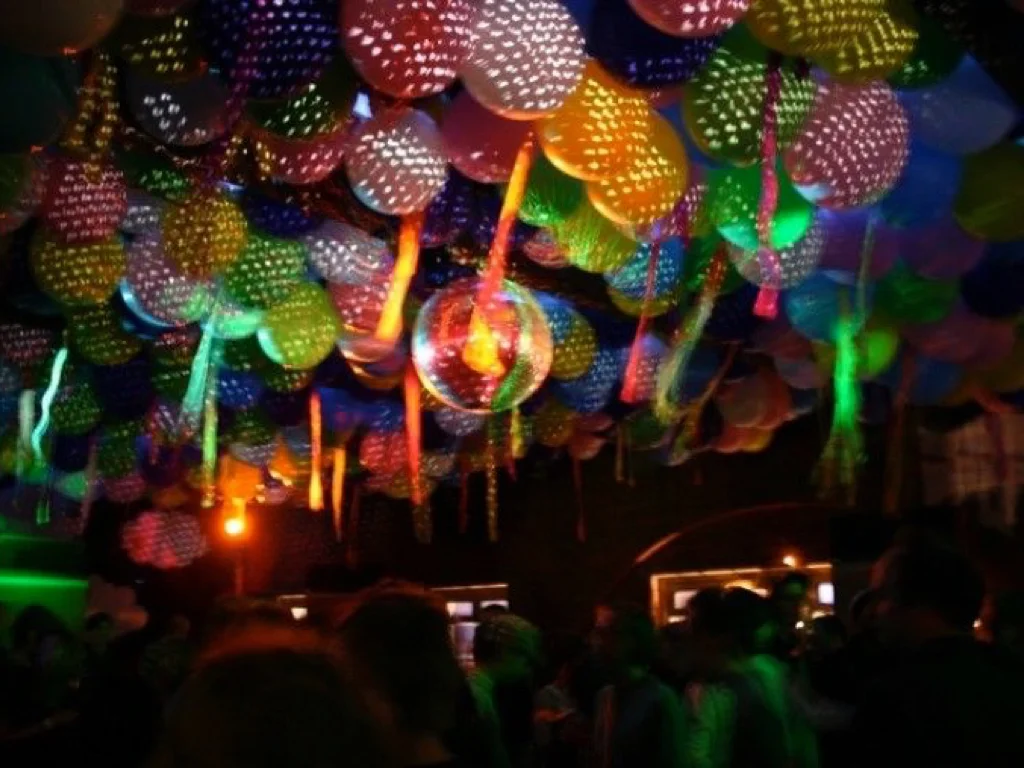
where psychospiritual connections on the dance floor were infinitely more meaningful than the arbitrary socioeconomic standards of the outside world.
An article from Redbull Music Academy outlines the far-reaching influences of David’s work:
“Mancuso had a titanic influence in shaping core values of dance music that are now taken for granted, everything from an emphasis on community and the breaking down of racial or economic barriers on the dancefloor to a hard-nosed drive for audio perfection, which included his unique insistence on playing every record through from start to finish, with no mixing. He was considered an unparalleled storyteller, creating narratives through his selections that could bring party-goers to tears, and a persistent idealist in his pursuit of transcendent musical experiences.”
David Mancuso died last year at the age of 72,
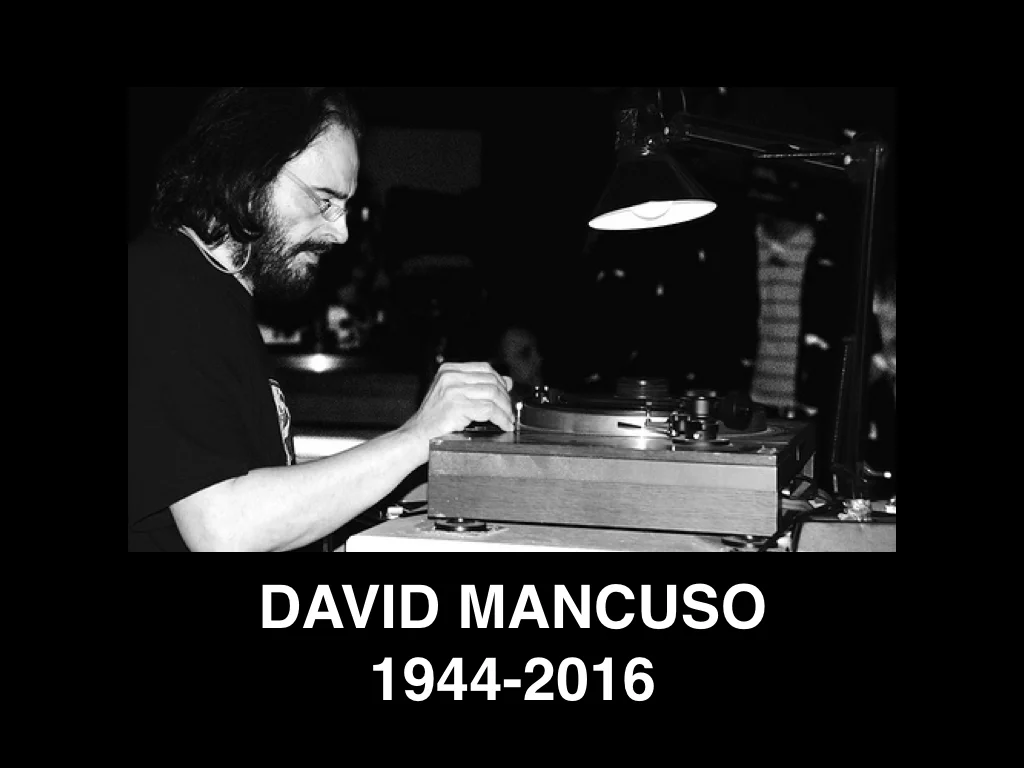
shortly after after celebrating 43 years of The Loft. His work not only influenced, but set the standards for dance music culture in America and beyond. It is because of him and the creatives he fostered at The Loft
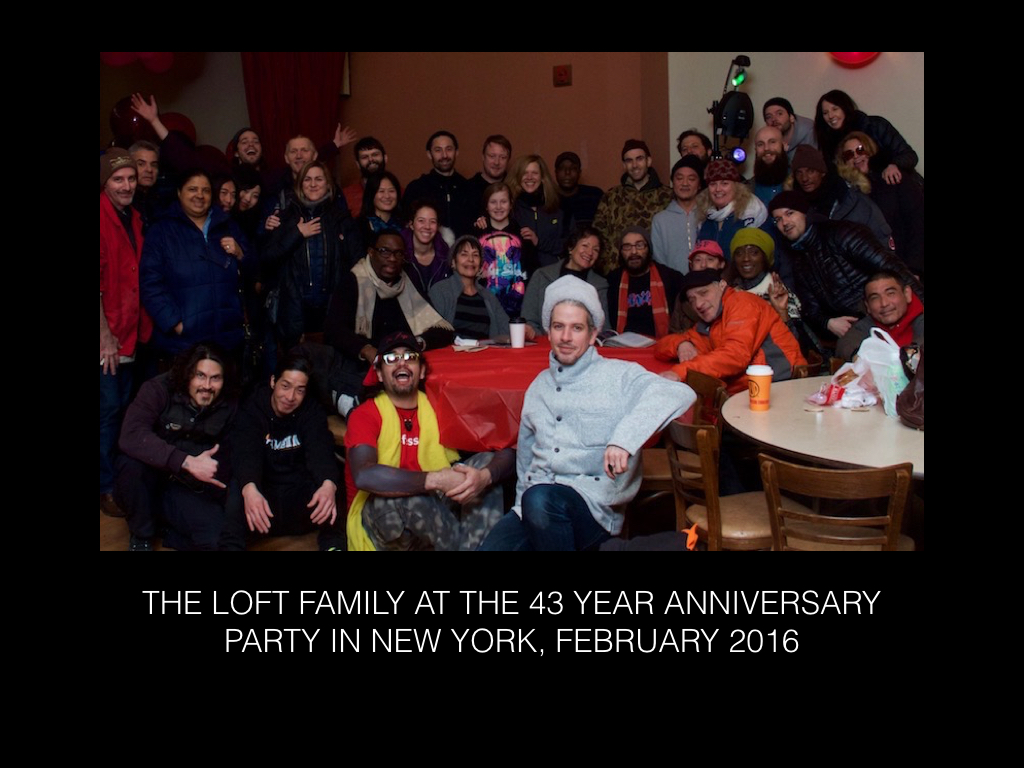
that today, everywhere we go there is a DJ in the corner playing records. The Loft carries on to this day and has given birth to every known form of American dance music including rap, hip hop, house, techno, trance and EDM to name just a few.
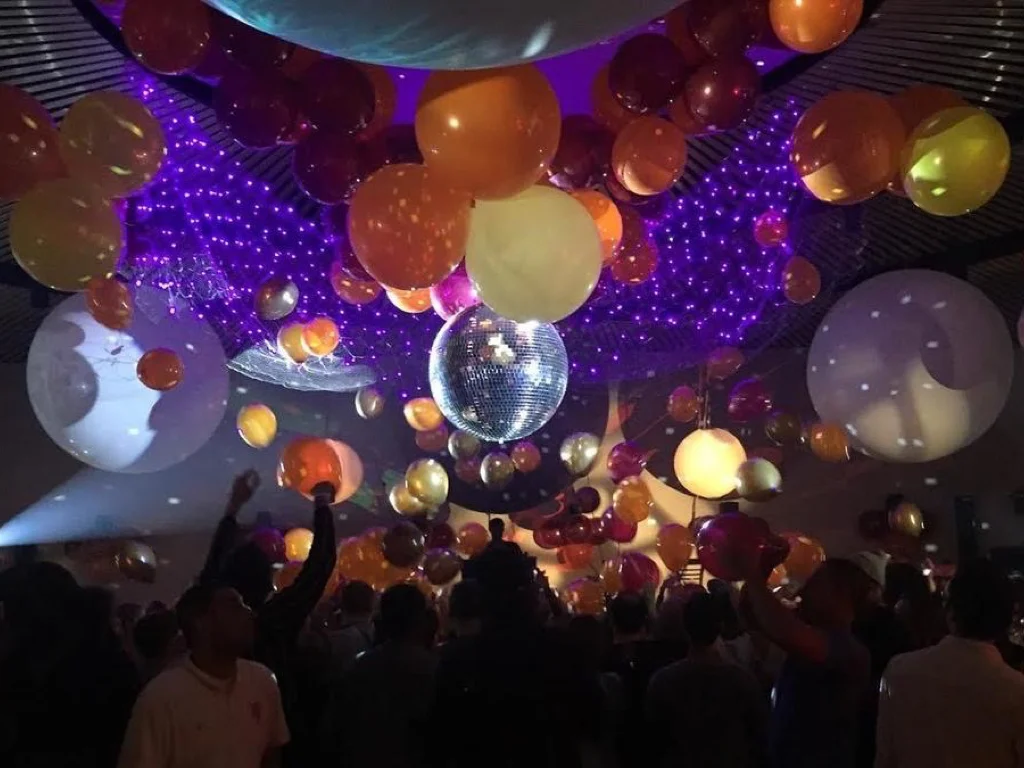
After thoroughly canvassing this music and its history for many years, I came to realize that David Mancuso ultimately sought more than just social progress. His work involved taking his audience on a journey of illumination. He sought to create a space where the skin barrier of the conscious mind could be stripped away so that the vastness of the unconscious, together with its infinite primordial creative possibilities, could burst forth in energetic psychosomatic spasms called dancing. By creating a beautiful and intimate womblike space using perfect aural frequencies, a steady rhythmic beat reminiscent of our mother’s heart, candles, incense, and the unquantifiable energy of loving devotion, David was able to transform his music into a mythical landscape where archetypes of the unconscious were respectfully invited to the dance and given a creative voice through the bodies of the dancers.
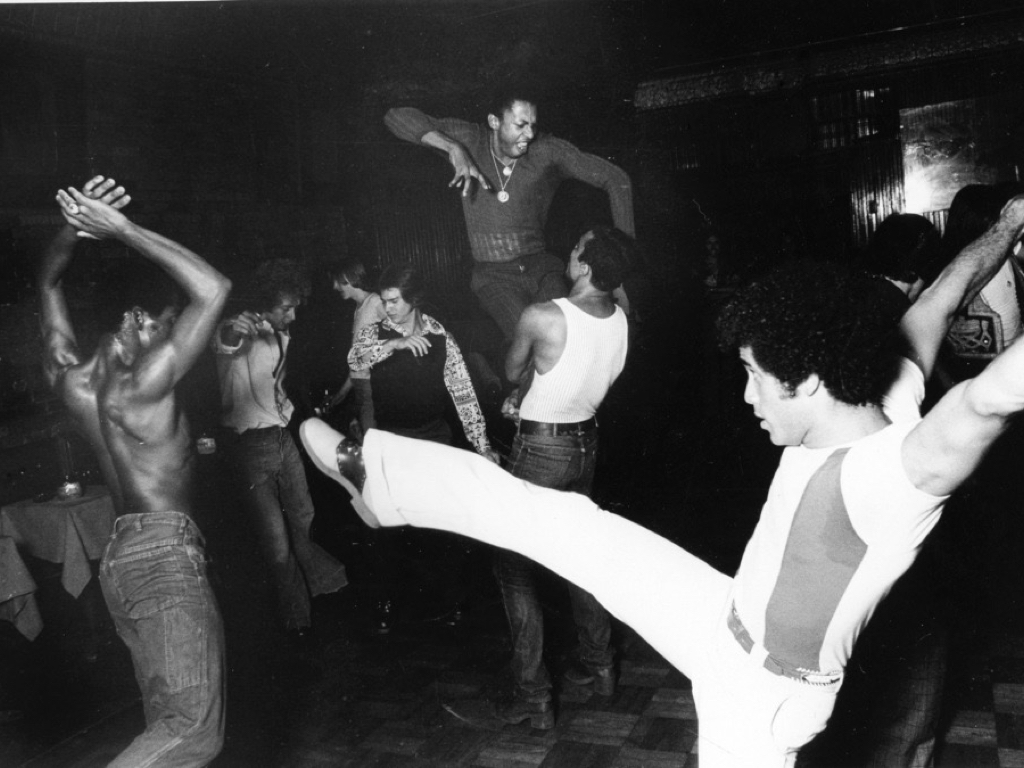
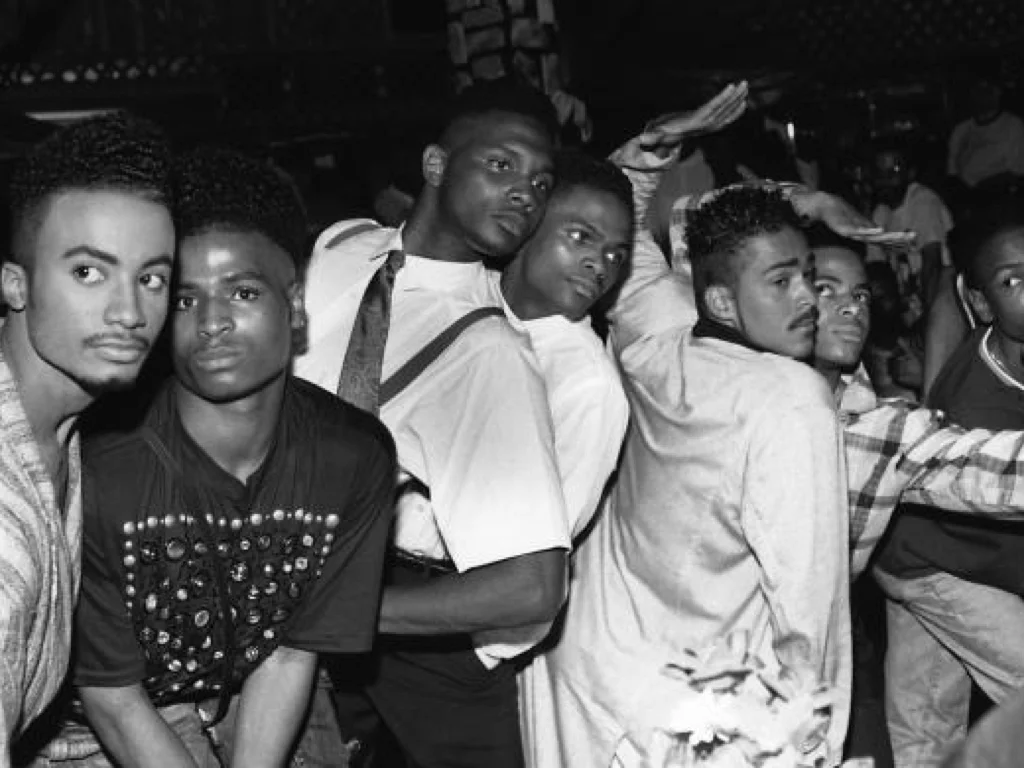
In this highly charged psychic space where liminal boundaries easily blur, dancers transformed into conduits for archetypal creative expression. As we know, archetypes are ancient inherited psychic patterns that help us give form and meaning to our lives. One look at dancers on The Loft dance floor, then and now,
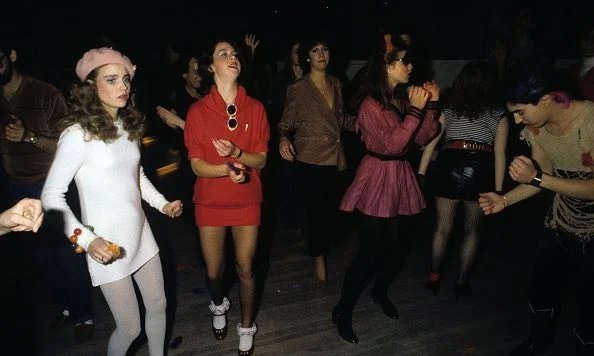
is enough to see how each one is deeply ensconced in a marrow-deep personal reverie, each dancer clearly interfacing with these mythical inhabitants of the personal and collective unconscious.
The music at The Loft, and subsequently at other dance clubs and parties using The Loft as a model, was essentially about love, and about the hero’s journey one must go on to find it. Song’s like Ain’t No Stoppin’ Us Now, Keep On, Keep The Fire Burning, Life Is A Song Worth Singing, and countless others, urge the dancers to keep moving, to go beyond their limitations, to pursue their dreams at all cost, and to never give up. This heroic music both urged and promised a spiritual unification with transcendent love at the end of the hard road of individuation, which is the word Jung gave to the soul’s never-ending process of finding authentic expression in the world through the unified glories of the re-membered Self. The disco dance floor is, therefore, the very nursery of individuation, what Susan Rowland has called a “numinous dreamland of being” where the limiting aspects of day to day consciousness can be, at least temporarily, replaced with a symbolic meeting with archetypal images and feelings. As Jung has said, archetypes are meant to overpower and beguile a reluctant consciousness into being, and the archetypal symbolism of the Great Hero on a dangerous nighttime journey in search of the Goddess of Love and Transcendence is basically what the disco dance floor is all about, in a nutshell. These symbolic journeys through the inner dimensions of their own psychic landscapes would then become embedded in the overall consciousness of each of the dancers. This profound personal connection to the sacred was re-confirmed every week on the mystical dance floor and could, therefore, fund the ongoing creative integration of the collective unconscious.
So we start to get a sense of how David Mancuso’s vision for what happens on the dance floor is similar to Jung’s vision of what the unconscious desires. The prerogatives of dancers on the dance floor and those of the unconscious are essentially teleological, they have a goal, a purpose, and that goal is to individuate. There are people here who can explain what the unconscious wants far better than I can. For the sake of brevity, I will simply say that, as Jung has said, the unconscious is inherently creative and it seeks the wholeness it can derive by participating in the ongoing expansion of consciousness. It does this by interacting with archetypes and manifesting their various potentials in the world both psychically and physically through creative means, and in the case of our subject, through dance and music. On the disco dance floor as it was envisioned by Mancuso,
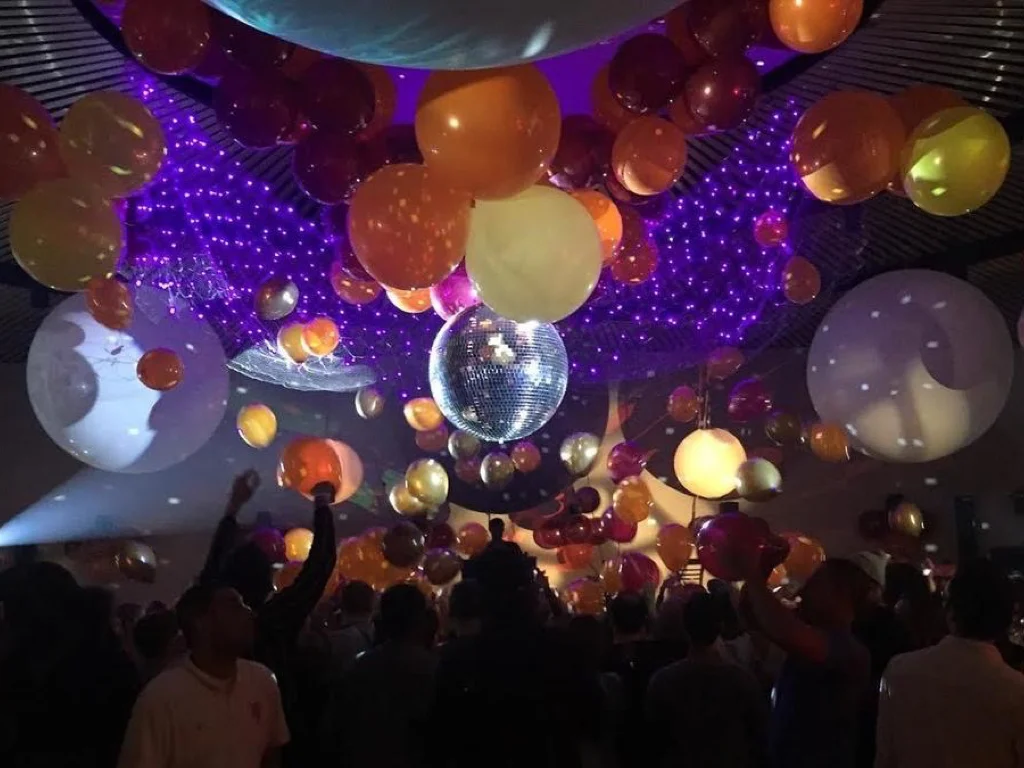
the inherent creativity of archetypal energies is brought to life through dance in real time and can be interacted with individually and collectively. Regular weekly forays into this type of numinous dance space, therefore, allows a person to maintain a close psychic link with wholeness and to see what wholeness actually feels like. What I mean by wholeness here is the absence of fear, that overwhelming fear of being all alone in an infinite, meaningless, and uncaring universe. This is why a disco dance floor feels so much like a church—it’s a symbolic refill station for the soul and is, in my opinion, a more effective form of long-term healing than most healing modalities available today. For one thing, it is vastly social and group oriented, so hundreds of people can be healed at once. Also, it is the very connectivity of the group dynamic which is so crucial in the healing process. Dancing together with different people from all walks of life has a stabilizing effect on the frazzled and fragmented psyche, bringing us closer together in a life-affirming way.
The most striking physical feature of the disco dance floor is the ubiquitous disco ball, a large spherical ball with hundreds of tiny mirrors affixed to its circumference in neat rows.
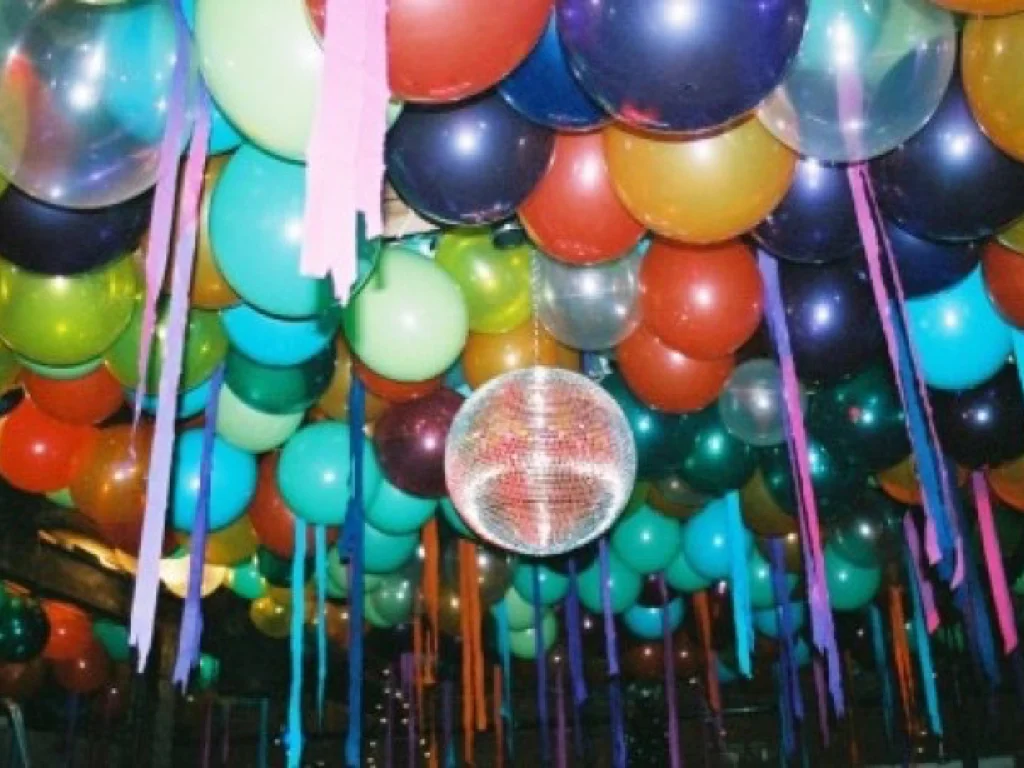
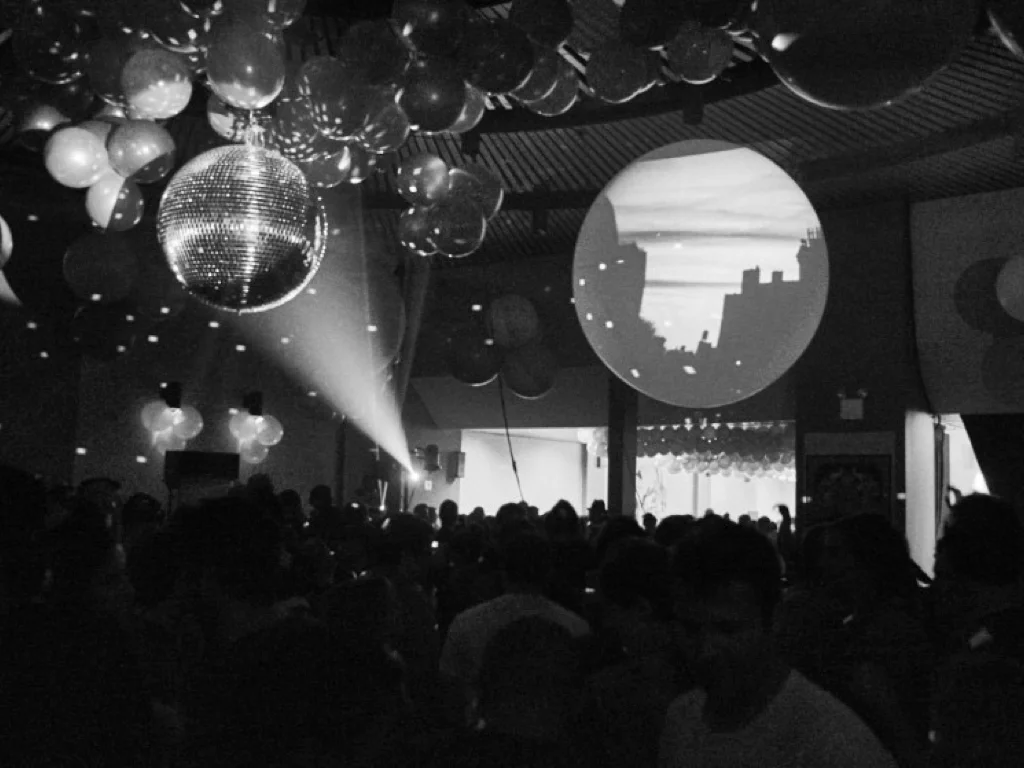
The disco ball always hangs in the very center of the ceiling above the dance floor proper, and it rotates very slowly, counterclockwise. To me, it is a quintessential symbol of the sphere of illumination. Powerful spotlights are pointed at the center of the ball and their light reflects off the little mirrors. Innumerable lights then refract in perfect spherical symmetry across the entire room, drawing silvery lines through space in all directions. These light lines define the space as a three-dimensional mandala, inside of which dancers form a variety of spiraling group postures so that the disco dance floor spontaneously behaves like a living mandala in perpetual motion. This motion is not only physical, but emotional, spiritual, and psychic. On every level imaginable, the mandala of the disco dance floor is alive and teeming with creative potential. The expressive possibilities of dancing in such an environment are, in my opinion, much broader and more freeing than other traditional art forms. I believe this is because the rhythmic beating of our hearts, together with our instinctive understanding of the rhythms of nature, mix naturally with the beats in the music so that something primal is awakened in the spirit and body in motion. On the liminal and vibrant disco dance floor, the ego self is entirely forgotten so that the dance floor is able to manifest itself as a larger than life space where the universal drive of the unconscious moving towards the wholeness of Self is symbolically enacted. Furthermore, this enactment gives birth to a living, breathing, infinitely creative three dimensional dance mandala charged with the numinous energy of archetypal love. In this transformative space the individual dancer, the collective group of dancers, the DJ acting as shaman, and even the room itself all melt into one amorphous landscape of urgent and primal immediacy where profoundly soulful transmigrations take place. In a way, the dance floor is active meditation much like the practice of yoga and produces similar spiritual results. The advantage of dancing, however, is in its unique social aspect along with its ability to unite body, mind, and soul together in a viscerally “fun” way that is at once personal and inclusive.
The long established division of spirit and matter handed down to us by our popular religions has resulted in a modern day human who is woefully divided from his or her own body. On the disco dance floor this division is erased completely. To the innate hearing and listening capacity of the psyche, the DJ presents a world of wonders through musical stories and song, rhythm, varied tempos, instruments, and group interactions. The resulting aural frequencies blend a frenzy of kinetic energies together in a beautiful harmony that perfectly captures what the liberation of consciousness looks like. It is the penultimate story of the power of love and unity when experienced together by a society of committed truth-seekers. Deep within the belly of this pulsating disco mother, the group of dancers become one “heroic self” together seeking a united and elevated consciousness. The dance itself becomes a rousing call to action on the soul of the dancer, and through the night-time ritual of underground disco, the dancer enters the realm of sacred knowledge, harmonizing body and mind with the unknowable and mysterious rhythms of supra-temporal reality. The dancer-seeker then takes the psychic fruits of his or her disco odyssey into the daylight world and uses these magical fruits to make more love and to bring more harmony to the soul of the world.
We are all facing a world of seemingly insurmountable obstacles. We are awash in expressions of hatred and intolerance, our own and others'. If we are serious about affecting positive changes in our world, we must learn to fortify our hearts and our souls with soul-nourishing practices. On the disco dance floor, there is no ideology and there are no politics. Who you say you are gives way to who you really are, and who you really are is one with all things. A beautiful and healing way to engage with the darkness around us is to creatively celebrate the multiplicity of the psyche and the multiplicity of humanity.
To accomplish this, all we have to do is go together on a numinous disco odyssey.
I look forward to seeing you under the mirror ball.
Thank you.